1

Autism Spectrum Disorder Diagnosis in the Time of Coronavirus: A Conversation with Magellan’s Yagnesh Vadgama

In light of recent events, Yagnesh Vadgama, BCBA, vice president, clinical care services, autism, Magellan Health, shared his perspective about how COVID-19 and racial and ethnic disparities may be combining to delay diagnosis and important early treatment for autism spectrum disorder in children.

 Magellan Health Insights: Yagnesh, thank you for chatting with us today. In the past there have been marked differences in the rates in which Black and Hispanic children are diagnosed with autism spectrum disorder (ASD). Why was that?

 Yagnesh Vadgama: For years, there was a disparity in the rates of ASD diagnosis of Black children versus White children – as recently as 2014 White children were 1.1 times more likely to be diagnosed with ASD by age 8. And in the 1990s, Black children were identified as having ASD later and were more likely to be diagnosed with conduct disorder or adjustment disorder than were White children. For the first time, the CDC has reported that this gap has closed as of 2016 for Black children, which is encouraging news, but was not the case in every state studied.

And, a gap still exists for Hispanic children. White and Black children were 1.2 times more likely to be identified with ASD than Hispanic children. Reasons for this difference include lack of access to healthcare services, differences in Medicaid vs. commercial insurance coverage of ASD services, parents and children speaking a primary language other than English, and potentially fear of seeking out care because of one’s immigration status. It’s still the case that Hispanic and Black children receive evaluations at a later age than White children. Often, children with Medicaid don’t get diagnosed until they begin attending school.

Magellan Health Insights: Why does age of evaluation and diagnosis matter?

 Yagnesh Vadgama: With ASD, time is of the essence. The earlier we get kids into services, the better the health outcomes are going to be. If an individual gets treatment early, there is less risk of developmental delays becoming permanent. A recent University of California San Diego study indicates children should receive ASD services as early as 18 months. During this time, the brain is able to acquire new skills at an earlier age. Also, as individuals get older, they are more likely to develop a comorbid diagnosis, so it’s important to begin services prior to the onset of other comorbidities.

 Magellan Health Insights: How might COVID-19 be affecting the age at which children are being evaluated?

 Yagnesh Vadgama: People are avoiding nonurgent care. Utilization rates of elective services have plummeted. Also, since school is the first place many children get evaluated for ASD, that may not happen with schools closed or moving to remote learning. And since many individuals’ health insurance is provided by their employers, many newly unemployed individuals may not be able to afford COBRA premiums and may lose coverage. Time is of the essence, and delays may have long-term or permanent effects.

 Magellan Health Insights: What can healthcare providers do to help ensure early, accurate diagnosis?

Yagnesh Vadgama: Healthcare providers should conduct early and frequent screenings as recommended by the American Association of Pediatrics. But, as important, providers should make appropriate recommendations for follow-up care and really help parents understand the next steps. They need to create a sense of urgency for follow-up care – encourage parents to act now, not to sit on it, see someone now. Then follow up with additional testing and screening on subsequent visits, because ASD can evolve over time. But never use a “just wait and see” approach, because time is of the essence.

Magellan Health Insights: What can parents do to help ensure a correct, early diagnosis if they have concerns?

Yagnesh Vadgama: Understand developmental milestones for your child’s age and the signs of ASD. Speak up about your concerns, especially where a child has a hearing impairment or an intellectual disability – because both situations could lead to a later ASD diagnosis. Be your child’s biggest advocate and ask about concerns and next steps.

One of the beautiful things is that in all 50 states, there is a mandate that commercial insurance carriers provide autism coverage. Covered members now have access to screenings, psychologists, developmental pediatricians and services that weren’t available when I began practicing over 16 years ago. And keep pushing until you get the care that best meets your child’s needs. Don’t wait!

Magellan Health Insights: We couldn’t agree more! Thank you, Yagnesh!


Curious about Discount Cards? – 5 Things you should know!

Prescription drug prices can be expensive. How can the average person save money on prescriptions in a quick, easy way? Pharmacy discount cards are available widely, but what are they and why should people use them? Here are five important things to know about pharmacy discount cards.

  1. They can save you money!
    Pharmacy discount cards can be used to lower your costs on medications you need to fill that may not be covered by your employer’s health insurance plan. Using a discount card can save up to 80% off the cash price when you need to fill a non-covered drug. Comparing prices between your insurance and discount card is important to make sure you are not overpaying for your prescription. You should also check other pharmacies as prices do vary from chain to chain as well as independent pharmacy locations.
  1. Using them won’t count toward insurance plan deductibles.
    Prescriptions filled using a discount card do not count toward your deductible or out-of-pocket maximum amounts. Discount card transactions fall outside of your health plan policy and should be used when a drug is not covered or if you are uninsured. Discount cards cannot be used in combination with insurance.
  1. They are free to use.
    Most pharmacy discount cards do not require membership fees to use their cards, but some programs do require you to provide personal information. Make sure you review their privacy policy to ensure you are comfortable sharing information before using their services. The privacy policy is typically posted on their website.
  2. No paperwork necessary.
    With pharmacy discount cards, there are no forms to fill out and no paperwork. When you present your discount card at the pharmacy, you are given the discounted prescription price at the counter and you pay the balance. There is no further obligation on your part to the discount card. You can use the card for future transactions, but typically there is no requirement to do so.
  1. They work for pets, too!
    If you have pets, many discount cards extend their benefits to them as well. Many people fill their prescriptions at their veterinary office without realizing they may be overpaying. There are some prescriptions for your dog or cat that can only be filled by a vet, but many can be filled by your local pharmacy and usually at a much lower cost. You can ask your vet to write a prescription for your pet and have it filled at your neighborhood pharmacy. Make sure the vet includes their DEA number as most discount cards require this information to process the prescription.

There are many companies offering to save you money on your prescription drugs, which can sound too good to be true. Pharmacy discount card providers are only compensated when you fill a prescription using their card and the pharmacy benefits from your business. You get to save money on your prescription and improve or maintain your health of you or your loved ones.


COVID-19 Vaccine and Drug Pipeline

The coronavirus disease 2019 (COVID-19) pandemic has taken a substantial toll on human life, not to mention our way of life. With over 14 million confirmed global cases and the death toll approaching 612,000, it is one of the most significant crises in recent history. In the United States (US), the country with the most cases and deaths, confirmed cases exceed 3.8 million and over 141,000 deaths have been reported as a result of this outbreak. As cases surge in certain parts of the country and the world, safe and effective vaccines and therapies are crucial to combatting this virus.  

Currently, there are no US Food and Drug Administration (FDA)-approved treatments or vaccines for SARS-CoV-2, the virus that causes COVID-19. Over 200 agents are being evaluated to treat the virus. These include new emerging molecular entities as well as approved drugs that are already available to treat other conditions and now being repurposed for COVID-19. According to the World Health Organization (WHO), 24 vaccine candidates have entered human trials and over 140 vaccine hopefuls are in preclinical evaluation.

Scientists around the world are working tirelessly to discover a vaccine for COVID-19. Vaccines candidates go through many stages of study. The average time to develop a vaccine ranges from 10 to 15 years. The Ebola vaccine, newly-minted in December 2019, only took about 6 years to be approved, whereas an HIV/AIDS vaccine has still not come to market after about 40 years. Given this pandemic’s magnitude, extraordinary measures from public and private stakeholders have been introduced to accelerate vaccine development.

COVID-19 has presented us with many challenges. Mitigation measures and safe and effective vaccines and treatments are key to restoring a new normalcy.


BIPOC Mental Health Awareness Q&A with Dr. Beall-Wilkins


Q: What is the cumulative effect on mental health of COVID-19, social distancing and now the protests/riots on African-American and other BIPOC adults, both immediately and in the long term?

A: The COVID-19 pandemic has worsened longstanding ethnicity-based healthcare disparities that have resulted in disproportionate infection, morbidity and mortality rates for BIPOC adults, specifically Black Americans. Black Americans represent approximately 11.9% of the workforce, however they make up 17% of the front-line, essential workforce that is at higher risk for contracting and transmitting the virus[1]. At a time when the pandemic has resulted in an employment loss of 17.8% among Black workers compared to 15.5% among White workers, the risk to individual health safety is compounded by the risk of occupational hazards, job loss and financial insecurity[2]. As such, the compounded crisis of police brutality and increased social awareness of protest movements and civil unrest adds an additional layer of uncertainty, worry, fear, anger and sadness. Studies show that Black Americans are more likely to develop both physical and mental consequences to prolonged exposure to the chronic stress associated with discrimination and socioeconomic status, particularly high blood pressure, asthma, diabetes, depression and anxiety[3] [4]. In the week following the release of the George Floyd police brutality video, the rate of Black Americans experiencing depressive or anxiety symptoms increased from 36% to 41%, and among Asian Americans, the rate jumped from 28% to 34%[5].

Q: Are there unique signs of mental distress in African-American and other BIPOC adults that differ from those presented by Caucasians?

A: Though various forms of mental distress are characterized and diagnosed by commonly reported symptoms and behaviors, it is not unusual for individuals to have unique experiences that don’t look or sound the same, depending on who’s experiencing them. Additionally, cultural and spiritual norms specific to certain ethnic populations can influence the ways in which we communicate our pain, worry, sadness, anger and fear to healthcare providers, which often leads to misdiagnosis and/or ineffective treatment planning for ethnic minorities. Moreover, a 2019 study conducted by Rutgers University, indicates that Black Americans with severe depression are more likely to be misdiagnosed with Schizophrenia, which reveals significant provider bias in overemphasizing psychotic symptoms compared to mood symptoms[6] . In these instances, it appears that Black respondents’ endorsement of mistrust, hopelessness and paranoia due to extenuating sociocultural and political circumstances can result in unique clinical presentations that pose significant obstacles to understanding and healing, and that this effect is heavily influenced by the identity and implicit bias of both the patient and the provider. Ethnic minorities are also more likely to somaticize mental health symptoms, meaning they often report physical complaints like pain, fatigue or headaches, as well as sleeping difficulties as their chief complaints, rather than attributing the combination of symptoms to a mental health condition like depression or anxiety. This dichotomy often leads to further limitations in access to care, weakening of trust in the healthcare system, and escalating feelings of traumatization, oppression and isolation for marginalized demographics.

Q: How can African-American and other BIPOC adults help each other process their thoughts and emotions about the general unrest in our country?

A: It’s often said that there’s strength in numbers, and this is equally true as it relates to emotional support for marginalized communities in times of social unrest and collective trauma. Generational exposure to workplace and community discrimination is a shared experience for many ethnic minorities, and this commonality may make it easier for individuals who are feeling distress to share their thoughts with friends, family and providers who have a firsthand experience with the same issues in our society and across the world. This familiarity may also reduce mistrust within the healthcare system, if BIPOC patients feel they have an opportunity to share their feelings without judgment, misdiagnosis or repetitive traumatization and discrimination. Likewise, ethnic minorities are more likely to rely on spiritual or other cultural leaders for support and guidance in times of stress or civil unrest and are more likely to benefit from clinical behavioral health services when these alternative modalities are considered and integrated as fluidly as possible.

Q: Are there unique barriers to mental health treatment for African-American and other BIPOC adults?

A: Apart from generalized limitations in access to healthcare that have been noted for Americans across the spectrum, behavioral healthcare remains out of reach for millions of people, including those who actually have healthcare coverage. Shortages in available providers, clinics and hospitals means that there are longer wait times for appointments, and fewer resources available for maintenance of chronic mental conditions. Many mental health providers have moved to cash pay only practices, and this may serve as an obstacle for people who don’t have the disposable income available to pay out of pocket for psychotherapy or medication management. Inpatient bed shortages and the lack of long-term behavioral healthcare facilities are also shown to contribute to chronic homelessness, frequent ER visits and more interactions with the criminal justice system, which has become the largest provider of mental healthcare and boarding for chronically mentally ill patients over the last few decades[7]. Finally, stigma remains a very prominent barrier to seeking care for many ethnic minorities. In some cases individuals may fear judgment, mockery, maltreatment or discrimination due to their mental illness, while others may simply lack adequate information about the mental health field due to relatively less cultural reliance on these modalities within certain ethnic groups.

Q: What would you recommend to Caucasian individuals who want to reach out to their BIPOC friends and acquaintances and show their support, but don’t know what to say or are afraid it would not be received well?

A: In times of social division, strife and unrest, marginalized groups who are experiencing emotional distress and traumatization are likely to be concerned about safety, survival and stability. Allies and systems of support outside of ethnic peer groups can be helpful in building trust and solidarity across demographics, and this may aid in the development of healthier coping and conflict resolution strategies. It’s important that friends, family and coworkers be mindful that not every BIPOC person experiences distress or social events the same way and be open to simply listening to how the person feels first, before rushing to offer apologies or solutions that may not be indicated or helpful. MLK said that riots are the language of the unheard, and it is indeed the case that marginalized identities continue to live social and emotional experiences that so often go unnoticed, misunderstood and unaddressed by the ethnic majority. An expression of willingness to hear, care and help despite not knowing all the answers or solutions is sometimes all that’s necessary to convey empathy, sympathy and solidarity.


[1] https://www.epi.org/publication/black-workers-covid/

[2] https://www.epi.org/publication/black-workers-covid/

[3] https://www.ajmc.com/focus-of-the-week/high-levels-of-chronic-stress-high-blood-pressure-linked-in-african-americans#:~:text=African%20Americans%20who%20report%20high%20levels%20of%20chronic,serving%20as%20possible%20catalysts%2C%20according%20to%20study%20findings.

[4] https://www.washingtonpost.com/health/2020/06/12/mental-health-george-floyd-census/?arc404=true

[5] https://www.washingtonpost.com/health/2020/06/12/mental-health-george-floyd-census/?arc404=true

[6] https://ps.psychiatryonline.org/doi/10.1176/appi.ps.201800223

[7] https://www.theatlantic.com/politics/archive/2015/06/americas-largest-mental-hospital-is-a-jail/395012/#:~:text=As%20sheriff%2C%20Dart%20is%20also%20responsible%20for%20Cook,considered%20the%20largest%20mental-health%20facility%20in%20the%20nation


Traditional Drug to Biologic: A Change 10 Years in the Making

In contrast to the conventional drug approval pathway in which drugs are reviewed under a New Drug Application (NDA), approval of a biological product is done under a separate pathway known as the Biologics License Application (BLA). Examples of biologics include therapeutic proteins such as insulin, monoclonal antibodies, vaccines, and blood-derived products. While the NDA and BLA processes are similar, they are not identical. The typical generic drug provisions (e.g., same active ingredient, bioequivalence) do not apply to BLAs. Instead, the single biological product already approved by the United States (US) Food and Drug Administration (FDA) is referred to as the reference product; the new potential biosimilar is then compared to the reference product. For approval as a biosimilar, the manufacturer must demonstrate that the agent is highly similar with no clinically meaningful differences.

In July 2018, the FDA released their Biosimilar Action Plan, described by then FDA Commissioner Dr. Scott Gottlieb, as “aimed at promoting competition and affordability.” Then, in December 2018, the FDA announced the plan to transition biological products that were historically regulated as drugs and approved via NDAs to the biologics pathway, taking effect in March 2020. These products include insulin, human growth hormone, and glucagon, among others. This change was mandated by Congress in the 2009 Biologics Price Competition and Innovation Act, which allowed 10 years for the transition. When considered as drugs under the NDA pathway, it was virtually impossible to develop a generic equivalent due to the nature and the inherent variation in the manufacturing process of these products. On March 23, 2020, the FDA issued a statement noting that this change is now in effect.

However, in the US, even if an agent is determined to be biosimilar, it is not automatically interchangeable (a process by which a product can be substituted for another without the approval of the prescriber). For a biosimilar to be considered interchangeable by the FDA, it must meet even more rigorous requirements and be approved as interchangeable. For products that are biosimilar but not interchangeable, the prescriber still needs to write for the specific product. In addition, even if determined to be interchangeable by the FDA, state pharmacy laws may further regulate what substitutions may be made at the pharmacy level without the approval of the prescriber. Just as a listing of generic equivalents is available through the FDA in their Orange Book, the FDA lists biologics and any respective biosimilars in their Purple Book. Recently converted to an online database format, the Purple Book provides details on reference products, their corresponding approved biosimilars, and whether or not the biosimilar is interchangeable. To date, no biosimilar has been designated as interchangeable.

As described in a previous blog post, the cost of insulin has risen substantially, leading patients to take desperate measures. At a time of economic instability and health uncertainty, these access concerns are even larger. Now that these products have transitioned to the biologic approval pathway, once patent exclusivity has passed, biosimilars can be developed, evaluated, and approved. Moreover, biosimilars can be reviewed further and may be classified as interchangeable, which can further alleviate the burden by allowing substitution at the retail level depending on local laws. This landmark change can promote market competition, potentially driving increased availability and decreased cost. The FDA reports that even having one generic drug on the market can decrease prices to approximately two-thirds of the price without competition. Generally, initial list prices of launched biosimilars have been 15% to 35% lower than their reference products. Most importantly, in their announcement of this change on March 23, the FDA pledged that they are ready to review eligible applications to ensure efficient approval. Ultimately, this revised process will provide an opportunity for other manufacturers to introduce safe and effective product competition without clinically meaningful differences. While this may be challenging in light of the ongoing global pandemic, this change, 10 years in the making, offers hope for patients who use these medications.


Biosimilars & Their Impact on Medical Pharmacy Spend

Featuring excerpts used with permission from the Magellan Rx Management Medical Pharmacy Trend ReportTM, ©2020. Get a copy of the full report at magellanrx.com/trendreport.

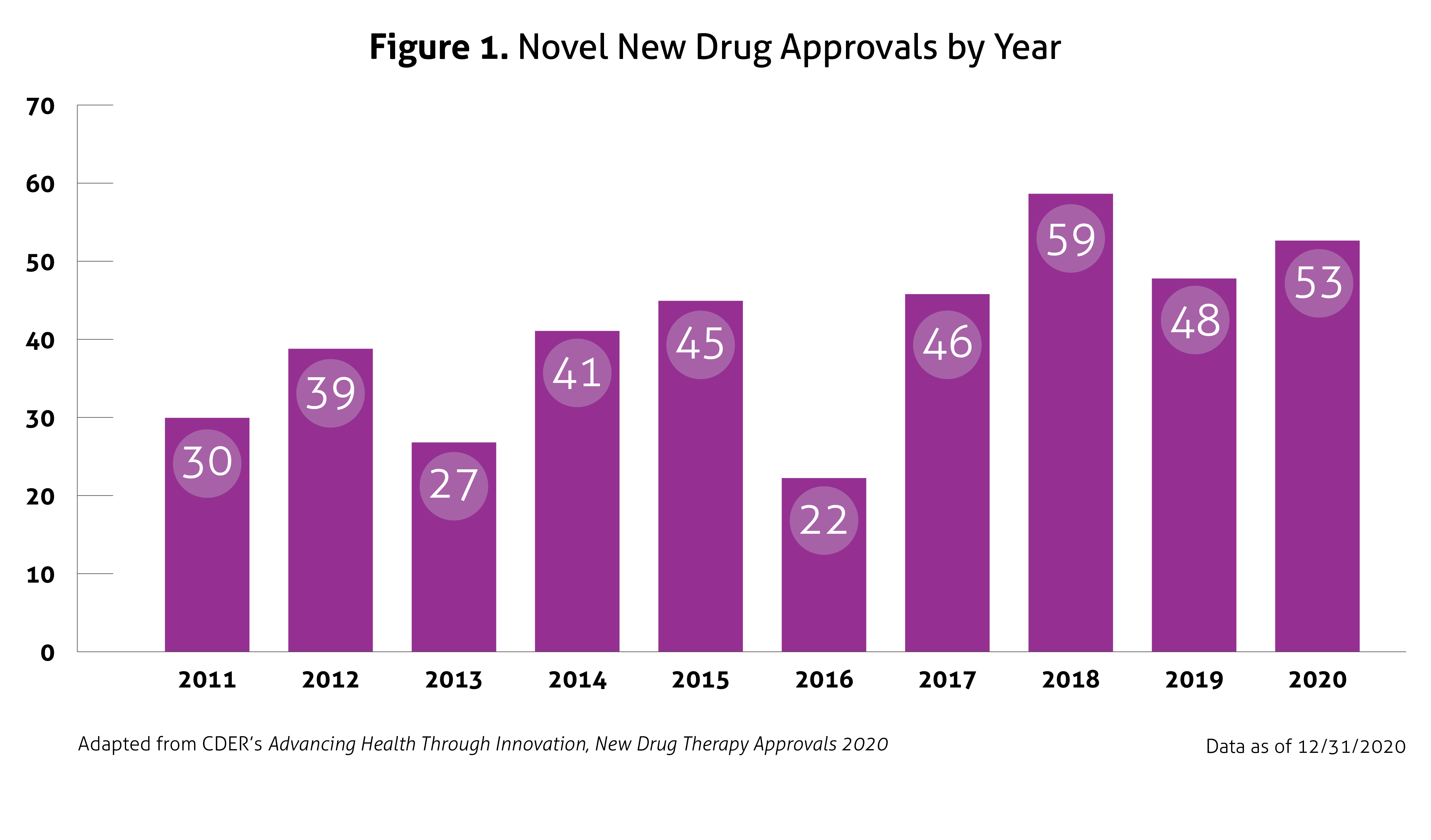
In 2010, plans were just starting to manage drugs on the medical benefit; there were only nine approvals for medical injectable drugs, and biosimilars were talked about but still five years away. Now, the medical benefit is top of mind, and in 2019 alone there were triple that number of approvals—seven of them biosimilars.

For the 10th year in a row, the top five commercial drugs were Remicade, Neulasta, Rituxan, Herceptin, and Avastin. Remicade saw decreases in PMPM due to the introduction of biosimilars Renflexis and Inflectra. We may see similar trends in upcoming data, since all of these top 5 agents now have marketed biosimilars.

How have biosimilars impacted some of the top-spend medical benefit categories?

There are 26 FDA-approved biosimilar products across three different therapeutic categories, of which 17 have been launched. Fifteen of those are oncology or oncology support agents.

Biologic Drugs for Autoimmune Disorders (BDAIDs)

Trend remained relatively flat in this category as Remicade market share decreased, with biosimilars Renflexis and Inflectra beginning to gain market share (market share data for these biosimilars was not available for 2017 and 2018, but we expect to include it in next year’s report).

biosim1


Oncology & Oncology Support

Oncology spend is a concern for payers, and oncology immunotherapies and gene therapy will continue to contribute to this spend. However, many opportunities for savings are anticipated with the biosimilars for Avastin, Herceptin, and Rituxan.

There are currently several biosimilars on the market in the oncology support category for the long- and short-acting CSFs and the ESAs. The predicted negative forecast growth illustrates their impact. Specifically, Neulasta biosimilars are now on the market, with Fulphila and Udenyca gaining market share.

biosim2

Payer feedback on current bio-similar strategies

The biosimilars currently on the market proved to have an impact on medical pharmacy strategy, as 40% of plans, based on number of lives, reported they were currently reimbursing based on a maximum allowable cost (equivalent reimbursement for reference and biosimilar). At the time of our survey (summer 2019), there were no oncology bio-similar products on the market, but payers were planning to utilize the same formulary strategies, including step therapy.

biosim3

What biosimilar strategies should payers be deploying NOW to prepare for the FUTURE?

At Magellan Rx, our 16+ years of total specialty drug management expertise enables us to prepare our customers for what comes next through forward-thinking solutions that keep a pulse on future industry trends. Through successful medical pharmacy management across all sites of service, we can deliver targeted, customized solutions designed to yield substantial drug cost savings while maintaining a high level of clinical quality.


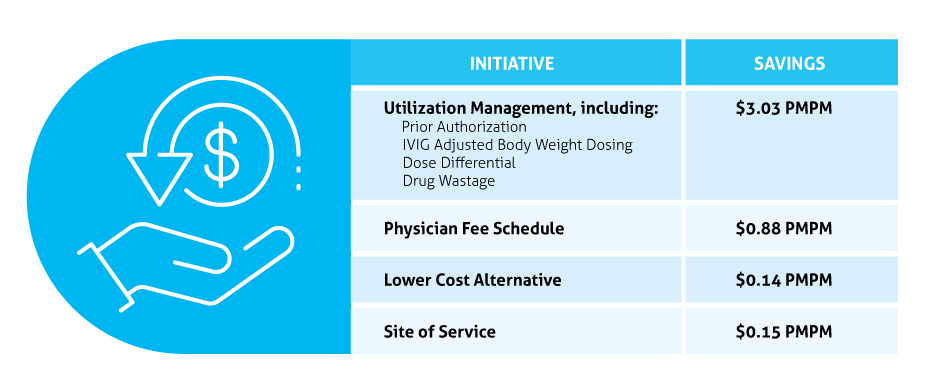
  • We’ve seen that health plans can experience a significant shift in utilization to lower-cost biosimilars through implementation of a comprehensive utilization management solution.
  • Initial results from our new oncology biosimilar solution show proactive utilization management of oncology drugs via step therapy increases use of less expensive biosimilars. We encourage customers to combine the power of all our oncology solutions—such as utilization management, drug wastage, dose optimization, sophisticated claims editing, enhanced regimen review, site of service management, targeted solutions for oncology immunotherapies and oncology care management—to enhance outcomes and improve member quality of care.

Learn more about our total specialty drug solutions.


A Team of Caring Professionals

Being discharged from the hospital or receiving an unexpected diagnosis can feel lonely and confusing. What’s next? Where do I start? How do I manage all these follow up visits? What was I prescribed?

Data suggests that access to a collaborative team of a pharmacist and care manager can reduce hospital re-admissions by 50 percent. With our data-driven MRx Navigate solution, we are identifying members who might get lost in their care journey, helping to protect them from gaps in care and the risks of non-adherence, and guiding them along their path to wellness.

By fully integrating the many touch points of a member’s health and wellness, our team of clinical professionals works closely together to understand the member’s healthcare needs and assist them to better manage their condition through education, empowerment and specialized support. Our team provides seamless continuity of care and healthcare population management, delivering quality health outcomes and value-based savings.

Jill Anderle, RN, MRx Navigate Care Manager, describes her role by saying, “I care for patients and their loved ones who are often in extremely overwhelming circumstances. By listening closely and validating members’ concerns, I assess gaps in their treatment plan once they are discharged from the hospital. We also teach self-advocacy and connect people to supportive community resources to help prevent unnecessary hospital re-admissions.”

Team Photo

Mental Healthcare Manager Silvia Pantoja considers her role as multifaceted: “I help people who have recently been discharged from a hospital or mental health facility. Besides being a coordinator, educator, facilitator, and advocate, my main focus as a care manager is to empower patients by giving them a greater understanding of their disease.” Silvia helps connect members with therapists, psychiatrists, and other resources and stays in contact with each member to ensure they follow a clear discharge plan.

The MRx Navigate team has connections to extensive resources, helping members with durable medical equipment, like wheelchairs, scheduling follow-up appointments with specialists, and making sure the member’s home is safe and accommodates their new needs. The team’s clinical pharmacists provide drug information, answer questions about new medications, help find options for reducing the costs of drugs, and explain how to take medications appropriately and safely.

The wellness component of MRx Navigate, identifies opportunities for better care and increasing members’ quality of life through educational tools and preventive resources like bio-metric screenings, flu shot clinics, and mobile mammograms. Personal wellness coaches, like Baihly Birdseye, conduct outreach and health coaching. “Focusing on behavior change can not only help resolve illness, but it can also help member s avoid the hospital altogether, possibly preventing even more serious and costly complications. We also want wellness to be fun and engaging,” shares Baihly.


How to Safeguard your Mental Health while Quarantined

More people are being exposed to infection as the number of COVID-19 cases continue to grow, resulting in an increased need for quarantines. The fear, stress and stigma associated with being quarantined can be damaging to one’s mental health.

The differences between isolation, quarantine and social distancing

The U.S. Centers for Disease Control and Prevention (CDC) defines medical isolation, quarantine and social distancing as follows:

Isolation – The separation of a person or group of people confirmed or suspected to be infected with COVID-19, and potentially infectious, from those who are not infected. This can prevent spread of the virus. Isolation for public health purposes may be voluntary or compelled by federal, state, or local public health order.

Quarantine – The separation of individuals who have had close contact with a COVID-19 case, but are not showing symptoms, to determine whether they develop symptoms of the disease. This keeps the person from potentially spreading the virus in the community. Quarantine for COVID-19 should last for a period of 14 days in a room with a door. If symptoms develop during the 14-day period, the individual should be placed under isolation and evaluated for COVID-19.

Social Distancing – The act of remaining out of congregate settings, avoiding mass gatherings and maintaining distance (approximately 6 feet, or 2 meters) from others when possible. Social distancing strategies can be applied on an individual level (e.g., avoiding physical contact), a group level (e.g., canceling group activities where individuals will be in close contact), and an operational level (e.g., rearranging desks in an office to increase distance between workers).

 Emotional impact of quarantine

The simple act of being quarantined can be distressing. When people are quarantined, they:

  • Can be completely separated from loved ones
  • Lose their freedom of movement
  • Don’t know if they will show symptoms or not
  • Don’t know how the disease may affect them
  • Have no understanding of how long they will be separated
  • Experience boredom and have too much time to worry about the situation

People who have been quarantined have reported or shown a high prevalence of symptoms of psychological distress and disorder. Symptoms reported include emotional disturbance, confusion, depression, stress, irritability, insomnia and post-traumatic stress symptoms. In addition, the stigma surrounding those in quarantine can lead people to feel rejected and/or avoid seeking help.

How to reduce the negative effects on mental health

  • Seek trusted information sources. COVID-19 information and news is everywhere, and it’s hard to know what’s true. Follow news from the World Health Organization, the CDC and your state health department. Stay away from suspect information that well-intentioned people may share on social media. If you have specific questions about your situation, call your doctor.
  • Make sure you have adequate supplies. Make your experience as tolerable as possible. Make sure you have basic supplies such as food, water and medicine for the duration of the quarantine period. Many communities have stores or services that will deliver essential items to your door, so keep a list in case you need anything.
  • Make the most of your downtime. As noted above, isolation, boredom and stigma negatively impact mental health. Call old friends you haven’t talked to. Catch up on your reading, do crossword puzzles or play electronic games. Listen to music. Organize those piles of paper you haven’t gotten to. If you can, work remotely.
  • Keep a journal, blog or vlog about your experience. Writing down your feelings and experiences, or talking about them, can be cathartic for some people. And if you are comfortable sharing it, your journal can be helpful for other people in the same situation.
  • Don’t be afraid to reach out. Talk to a neighbor or two and let them know of your situation so they can help. Find others who are going through the same thing or have been in your shoes before. Talking to someone who knows what you’re going through can help you feel less alone.
  • Focus on how you are helping. Remind yourself that your isolation, while difficult to bear, is truly helping contain the spread of disease and potentially saving lives.

If you find yourself feeling overly sad, angry or anxious, contact a behavioral health professional. They can conduct appointments over the phone and provide helpful advice.

After the quarantine

You’ve stayed away from everyone for 14 days, and you’re still healthy. When you are released from quarantine, remember that social distancing may still be in force.

You might have some residual stress from being alone for so long, or you might be angry that you had to stay separated from loved ones when you weren’t contagious. It’s OK to have those feelings. If they don’t subside after a few months, talk to a behavioral health provider.


For more information and tips, visit www.MagellanHealthcare.com/COVID-19.