1

Building Apps to Promote Healthy, Vibrant Lives: Magellan’s Digital Innovations

There are many healthcare-oriented apps in the marketplace, but there are few out there that offer cognitive behavioral therapy (CBT) and that have also been built on a multi-decade foundation of program efficacy data. Magellan’s CBT apps engage participants in psychoeducational content and activities through interactive sessions designed to maximize self-management of behavioral health symptoms such as sleep, depression, and anxiety. We recently released three apps to the Apple App Store including RESTORE (for insomnia and sleep problems), FearFighter (for anxiety, panic, and phobia), and MoodCalmer (for mild to moderate depression) and have plans to release two to three more in the near future.

But what does it take to build and release these kind of apps?

First and foremost, teamwork.
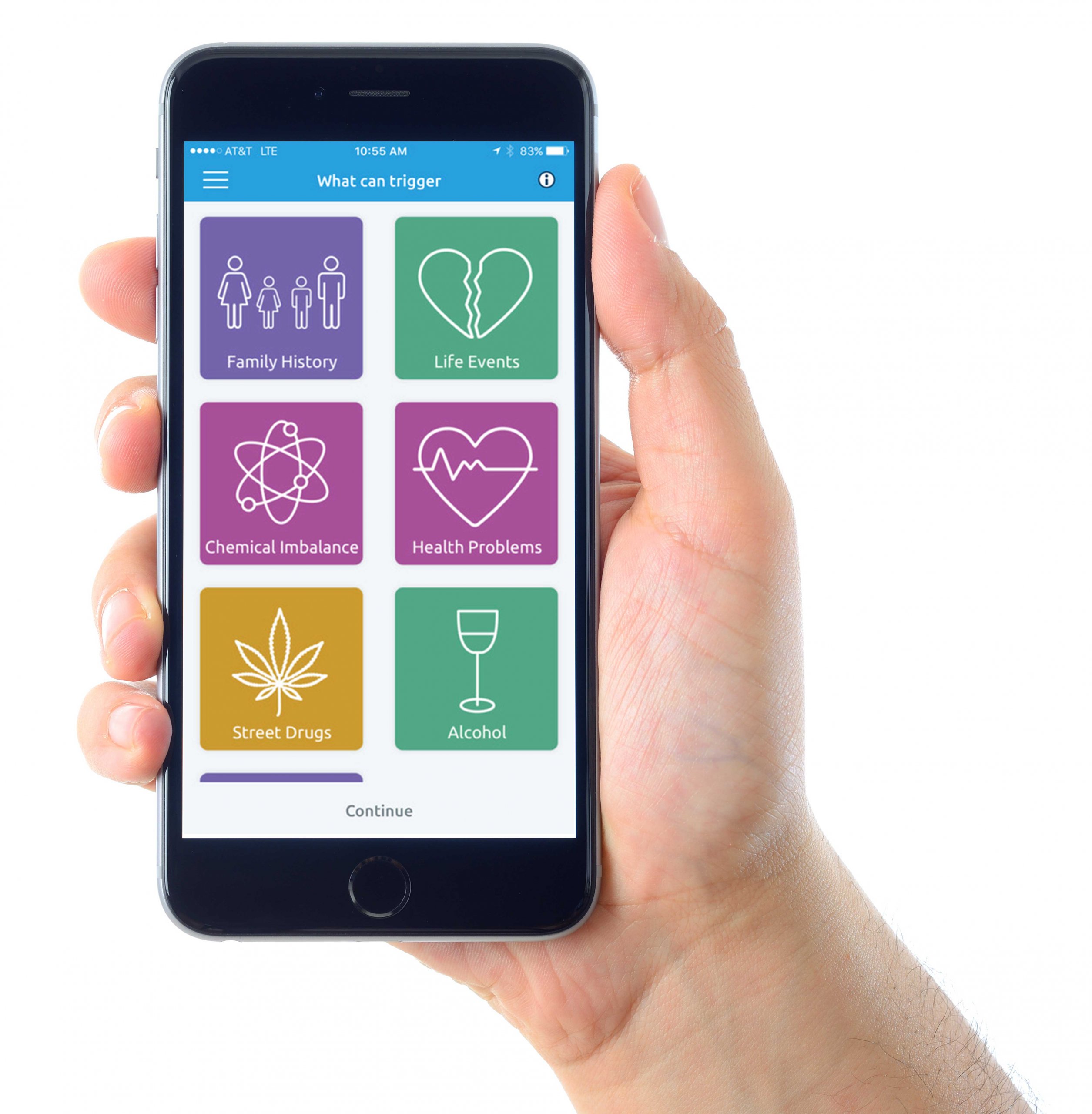
Cobalt, Magellan's CCBT program, puts Cognitive Behavioral Therapy into your hands wherever you are.The best apps, healthcare or other, are not built by one person. They require a team of individuals coming together to work towards common goals. Our primary team includes two product owners, and two project managers who collectively work to get the vision from senior leadership (e.g. sketching ideas, wireframing, developing a curriculum), and then oversee the development teams building the apps (e.g. writing user stories, participating in daily scrum meetings, recording and producing videos, providing feedback), and then ensure smooth and timely deployment of various iterations that get delivered to our customers (e.g. delivering training, scheduling releases, communicating upgrades). Without teamwork these critical processes could not be completed and the App Store would have three fewer apps.

Second, and also very important, user feedback.

We have tens of thousands of active users on our platform, and we know that the majority of individuals who do two or more sessions report improvements in their sleep and mood. Therefore, it is very important for us know how to keep our users engaged. To drive engagement we seek out users and give them the opportunity to give us feedback on what would make our apps more helpful and more useful. Importantly, our users do not just include patients, members, and consumers, but also clinicians, care managers, and providers. We investigate how they use our apps and what features they would like to have included.  We incorporate this user feedback into our development sprints using what are called “user stories.” User stories help keep us focused on the core needs of our users, and they give us clear actionable tasks that can gauge what makes our apps successful and can also determine development steps for future iterations. For example, when we started asking our users what they would like added to our apps’ user experience, we learned about different features they would like to see. To help frame those features from the user perspective, we listed them out in user stories, such as, “As a RESTORE user I would like my sleep diary data to sync with my sleep data in the HealthKit app on my iPhone, so that I can see how data from my wearable device aligns with the sleep goals I set in RESTORE.”  When we roll out features developed from user stories, we see our engagement grow from previous years, and we validate our overall approach.

Lastly, we need to measure, test, learn, and keep building.

Our apps include a lot of content, in both English and Spanish speaking versions. The primary psychoeducational components include video recordings of narrators and clinical vignettes. The videos vary in length, and for each video embedded in the apps (there are dozens) we need to measure the length, test how long we can keep users watching, and learn from their experience. We have found that some videos are more watched than others, and we have found greater acceptance with shorter video length. Aside from just the videos, we have run a battery of tests on the features embedded in our apps and platform. These tests help us work out the bugs and improve the overall user experience. Once we are satisfied with our testing, we determine our readiness for release. Apple is pretty thorough with its acceptance and release of apps to the App Store, and we were very pleased with the turnaround time. We are now preparing to release our apps to Google Play, and will also be releasing later iterations with enhanced graphics, text-based reminders, and other features recommended by our users. Ironically, our apps are both complete and never finished, but I look forward to seeing how our apps will evolve, and continue to lead individuals to more healthy, vibrant lives.


Care alongside Care: Treating Comorbid Medical and Behavioral Conditions

It’s 11:30 on a Tuesday night in the emergency department of a local county hospital. The doctor pulls back the curtain on his next patient and frowns. He has seen this man before. He looks down at the chart and recognizes the name. He’d been in about eight weeks before with trouble breathing and chest pains. Gears click in doctor’s memory, as he recalls this patient. His medical work-up had shown nothing acutely wrong. He’d been encouraged to take his usual medications, and sent home with instructions to see his regular doctor as soon as possible to make sure his chronic diabetes and congestive heart failure were under good control.

The doctor pulls a stool across the floor and sits down bedside.

“Hi Brian, what seems to be the trouble?”

“My chest. I couldn’t breathe. And I can’t seem to concentrate. I just don’t want to do anything.” Brian’s voice is listless and low, and he looks fatigued.

“I see you were in a couple of months ago. Did you go and see your regular physician?”

Brian shrugs but doesn’t say anything. His eyes are fixed firmly on the floor.

The doctor pauses. He looks at Brian for a while. The man looks like he hasn’t taken care of himself. His clothes are wrinkled, and he’s lost some weight since his last visit to the emergency department. The doctor looks over Brian’s vitals and labs. He finds nothing concerning on physical exam. He asks, “Brian, has anyone ever talked to you about depression?”


In the case above, Brian is a fictional character, but the situation is not. The co-occurrence of mental health disorders with physical ailments is common. A Substance Abuse and Mental Health Services Administration (SAMHSA) report found that 68 percent of adults with mental disorders have medical conditions, and 29 percent of adults with medical conditions have mental disorders. The most common of these is depression. Many research studies have found high rates of comorbid depression with chronic and terminal medical conditions. In many cases, the medical conditions or treatments for the conditions can cause depression. In others, the depression itself can lead to health behaviors that cause or worsen medical illness, and even higher risk of death. For instance, persons with depression have higher rates of smoking cigarettes than the general public. This can lead to heart disease. But, depression itself can also cause changes in brain chemistry and platelets, which can worsen existing heart disease.

Common Conditions with Comorbid Depression

Comorbid depression in some medical conditions is common. According to the National Institute of Health, there is a close relationship between depression and other physical ailments:

  • Alzheimer’s disease and other dementias
  • Cancer
  • Coronary artery disease
  • Congestive heart failure
  • Diabetes
  • Epilepsy
  • HIV/AIDS
  • Multiple sclerosis
  • Parkinson’s disease
  • Rheumatoid arthritis
  • Stroke
  • Systemic lupus erythematosus

Depression also has a negative effect on treatment and outcomes for these diseases. A 2015 published research study showed those with comorbid depression had more negative outcomes for their primary ailment than those who only had the primary ailment. Research also shows a lower quality of life, lower compliance with medical treatments, and lower rates of exercise and healthy eating habits for patients with comorbid depression compared to those with the same physical ailment(s) who did not suffer from depression.

This comorbidity has consequences beyond the health of the patient. People with multiple medical conditions are a rapidly growing and extremely costly segment of the US population. Patients with behavioral health disorders spend more on treatment for general medical conditions. When compared to those without depression, overall health care spending for medical conditions is higher than those without, in addition to treatment for the depression itself.

Improving Care for Comorbid Behavioral Health Conditions

The first step is identifying patients with comorbid behavioral health conditions before they reach the dangerous and costly levels discussed above. The primary care setting may be the best place to first find depression. But how?

Magellan’s Screen and Engage program is an innovative, user-friendly application that primary care physicians (PCPs) can use to identify patients at risk for a mental illness. Using a Magellan-provided iPad, the patient answers questions about his or her health and well-being while waiting for an appointment. The screening tools are also available in Magellan’s Virtual Care Solutions. Magellan’s proprietary algorithms assess the results, identify potential behavioral health issues and suggest recommendations for treatment, and flag clinicians to engage the patients.

The benefits of the tool are clear. Given the limited amount of time that a PCP has for each appointment, he or she must focus the conversation on the primary reason for the visit. As such, there is little opportunity to probe for behavioral health concerns. By conducting the screening before the short appointment, the PCP has a chance to be notified of the screening results, and discuss them during the visit.

Screening for behavioral health conditions is just the first step. Step two is treating them. In general, depression is treated with either medications and/or cognitive behavioral (CBT) psychotherapy. CBT is a specific type of therapy that relies on identifying and changing ones thoughts that can lead to depression. Research shows that the combination of the two is better than either done separately. While it may be easy to receive anti-depressants from medical doctors, it is often difficult to find CBT.

Cobalt, Magellan’s computerized Cognitive Behavioral Therapy (CCBT) program, is a cost-effective solution to address common behavioral health conditions. Cobalt provides CCBT online or through a smartphone/tablet app. This makes face-to-face CBT—proven to work but often difficult to find providers, especially in rural areas and for working people—available anywhere, any time. It is also a more private approach to CBT. Patients can access treatment from their homes versus an office.

Computerized CBT has proven to be just as effective as in-person CBT. Magellan offers Cobalt modules for insomnia, depression, anxiety, substance use disorder and obsessive-compulsive disorder, treating more than 90 percent of behavioral health conditions seen in primary care and behavioral settings.

Tackling Comorbid Conditions for a Healthy Future

At Magellan, we have made it our mission to help individuals like Brian, whose case is all too common. Tackling comorbid behavioral health issues alongside common medical conditions is one way we do it. Investing in and using new technology, we can identify more people who need help and expand their access to effective, proven treatments.


Learn More About Computerized Cognitive Behavioral Therapy
Learn more about how CCBT is opening access to care by downloading this new infographic: Unaffordable and Unnecessary — How common conditions are driving up costs (and why they don’t need to)
First Name
required

Last Name
required

Email (all lowercase)
required

Company
required


Using Technology to Help Individuals with Substance Use and Depression

Millions of people are challenged by drug and/or alcohol use, which may result in physical and emotional health concerns. Many individuals feel like they have lost control and struggle with depressive signs and symptoms, in addition to substance use – and only a fraction of these individuals receive care, according to a report on addiction released in November by the U.S. Surgeon General.

At Magellan Health, our clinical methodology for the management of substance use incorporates leading principles of care, involving appropriate assessment, evidence-based interventions, as well as close collaboration with other healthcare providers who are vital to the delivery of effective care. At the core of Magellan’s interventions for substance use is our suite of computerized cognitive behavioral therapy (CCBT) programs powered by Cobalt Therapeutics, as well as screening software, and optional wraparound telephonic support.

Magellan’s Cobalt platform includes online, well-studied programs proven to help individuals who are coping with various behavioral health conditions. Among our Cobalt CCBT programs is SHADE – a 10 session mobile and web-based program for individuals living with alcohol, and/or drug use and co-morbid depression. SHADE provides skills-building exercises, which include mood monitoring, problem brainstorming, pros and cons analysis, planning for change, identifying problematic thought patterns and developing effective drug refusal skills. SHADE helps participants control their substance use, alcohol use and low mood by promoting long-lasting skill-based changes in behavior and thinking.

Published in the journal Addiction, SHADE has been proven in randomized, controlled trials to:

  • Be comparable in efficacy to face-to-face therapy.
  • Reduce hazardous drug and alcohol use by 44-58 percent after 6 months.
  • Reduce hazardous use by 72 percent after 12 months.
  • Significantly reduced binge drinking.

SHADE was listed favorably among the technology assisted interventions highlighted by the surgeon general’s report as a tool designed to “(1) increase access to care in underserved areas and settings; (2) free up time so that service providers can care for more clients; (3) provide alternative care options for individuals hesitant to seek in-person treatment; (4) increase the chances that interventions will be delivered as they were designed and intended to be delivered; and (5) decrease costs” (see https://addiction.surgeongeneral.gov/ for more information).

You can learn more about Magellan’s Cobalt CCBT capabilities here:


Magellan’s self-guided Computerized Cognitive Behavioral Therapy from Magellan Health on Vimeo.