1

Shining a Light on Mental Health Challenges and Promoting Understanding

Each year, many Americans suffer from different mental health conditions, like Major Depressive Disorder and Anxiety Disorders. Some seek help, while others deal with the negative symptoms alone. Stigma, mistrust, misinformation, fear, or socioeconomic status can prevent us from seeking help.

Addressing these negative symptoms is very important. They can affect several aspects of our lives, including work, social interactions, and personal relations.

Here are some important facts about mental health:

  • In 2020, 21% of U.S. adults (52.9 million) experienced a mental health condition. 1
  • Due to COVID-19, the number of anxiety and depressive disorders grew worldwide. Depressive symptoms grew from about 193 million people to 246 million worldwide. This represents an increase of 28% in cases. Anxiety disorders grew from 298 million to 374 million, close to a 25% increase. 1
  • In the U.S., young adults ages 18 to 25 have the highest rate of experiencing mental health conditions (30.6%). They are followed by those ages 26 to 49 (25.3%) and adults ages 50 and over (14.5%).1

Every year, Mental Illness Awareness Week occurs in the United States during the first week of October. During this week, various organizations come together to promote activities about mental health. This campaign aims to raise public awareness about mental health issues in support of individuals and families. While the week has passed, the importance of bringing awareness to this topic remains year-round.

Activities take place to increase understanding and support for those living with mental illness. The education and resources provided during this week can reduce stigma and other factors preventing us from seeking help.

These activities can include:

  • Educational Events: Workshops, seminars, conferences, and informational sessions. They provide information about mental health conditions, treatment options, and strategies for managing mental health challenges. 2 (NAMI | National Institute of Mental Health)
  • Public Awareness Campaigns: Mental health organizations often launch public awareness campaigns using various mediums to share stories, statistics, and information related to mental health. These include social media, posters, and online content. 2 (S. Department of Health and Human Services)
  • Community Outreach: Local events, support groups, and community discussions are often organized to foster understanding and support among individuals, families, and communities affected by mental illness. 2 (988 Suicide & Crisis Lifeline)
  • Advocacy Efforts: During this week, advocacy groups champion improved mental health services, insurance coverage, and policies that support individuals with mental health conditions. 2 (NAMI | National Alliance on Mental Health)
  • Media Coverage: Media outlets may cover stories related to mental health, including personal stories of recovery, interviews with mental health professionals, and discussions about the importance of mental health awareness. 2 (SAMHSA | Mental Illness Awareness Week)
  • Sharing Personal Stories: Individuals who have lived experiences with mental illness may share their stories to help and inspire others to seek help. 2 (S. Department of Veterans Affairs | Mental Health)

We can all participate in these activities every month to learn more about mental health topics, help raise awareness, lower judgment, and be mindful of others experiencing mental health challenges.

Look out for what Magellan Federal has to offer on this topic!


1 Mental Health Statistics. (2023, March 9). Forbes. https://www.forbes.com/health/mind/mental-health-statistics/#:~:text=Worldwide%3A%20Due%20to%20the%20COVID.

2 Mental Illness Awareness Week | NAMI: National Alliance on Mental Illness. (n.d.). Nami.org. https://nami.org/Get-Involved/Awareness-Events/Mental-Illness-Awareness-Week.


Spotlight Magellan Health: National Healthcare Quality Week

National Healthcare Quality Week, observed on October 15 to 21, celebrates the many healthcare quality professionals who tirelessly work toward ensuring that quality service is delivered. This week is also a time to spread awareness of the importance of quality healthcare services and create policies that facilitate the safety of both patients and healthcare professionals.

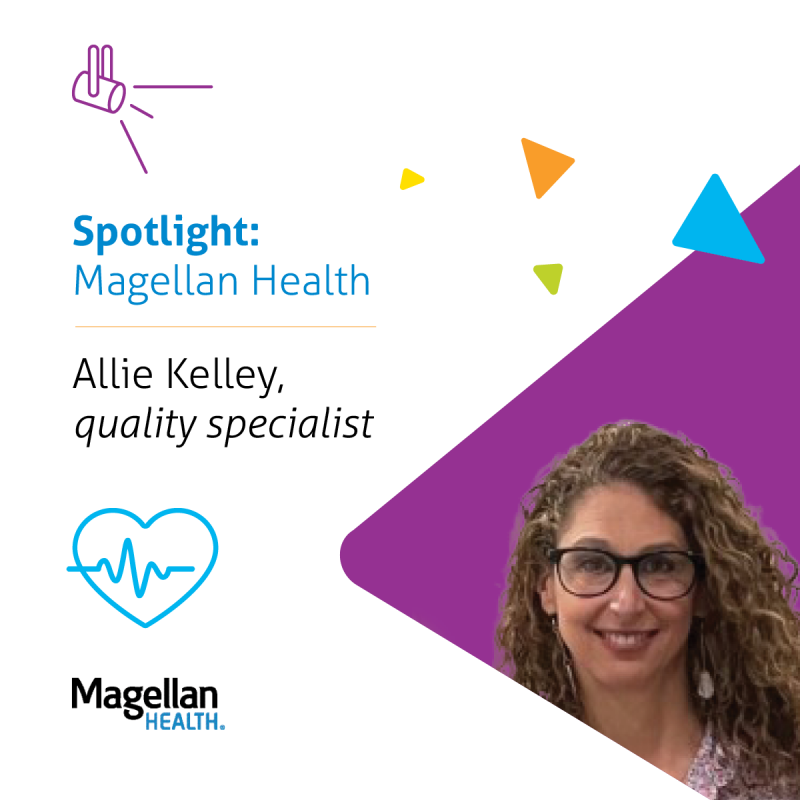
In honor of National Healthcare Quality Week, we’re spotlighting Magellan Health’s Allie Kelley, quality specialist. Some of Kelley’s responsibilities to ensure quality healthcare include managing certain member notifications, generating internal reports for customer requirements, and assisting with EAP record requests within our Employee Assistance Program (EAP) provider network. Continue reading to learn more about Kelley’s work in healthcare quality:

What sort of projects are you currently working on?

I am brand new to the responsibility of running a Quality Improvement Activity (QIA) so I’m learning responsibilities such as barrier analysis, which examines limitations or obstacles to the efficiency of a process or desired outcome, investigating root causes, developing, and discussing interventions, and ongoing monitoring are my biggest tasks right now.  I am very excited about how this process can improve the level of service we provide to our members. It is awesome to have different department leaders come together to talk about barriers and interventions to improve identified metrics and then be able to measure the success of these interventions.

Why is Magellan Health the best place to do this project?

Magellan’s values include integrity, accountability, knowledge, collaboration, caring, creativity, and results. Every one of those values is critical to the success of any QIA. Leadership also shows great support of the overall QI department, and ultimately Magellan as a whole.

What are your thoughts on the culture here at Magellan?

I have been a part of Magellan Health for 25 years and have had the opportunity to work in many different roles. I have seen this company grow in the healthcare industry, and I have never once doubted how much Magellan cares for and believes in their employees. Magellan has been an industry leader when it comes to diversity, equity, and inclusion, and offering comprehensive employee benefits.

Beyond that, the member lives we cover, especially the most vulnerable populations, have always been the most important thing to me in every position I’ve held here. Magellan’s philosophy and mission have always aligned with this. Positively influencing the health and wellbeing of our members has always been a top priority throughout this organization.

How did you get involved with the Healthcare Quality field?

My heart and my passion have always been with our members and working to make sure they are receiving the best care possible. I am a social worker at heart, so when I read the job description for my current role, it was very clear to me that the role in a strong Quality Department is not at all separate from what my mission in the clinical department had always been! I became excited about the possibility of stepping out of my comfort zone while keeping in mind what I came here to do, which is to help people.

What are some of the most challenging and rewarding aspects of working in Healthcare Quality?

Some of the more challenging aspects have been learning the more technical side of things, while the most rewarding part of being in this department has been being a part of a team so committed to integrity, accountability, and data driven results. This is demonstrated in the preparation of the annual Trilogy documents, where everyone on the team comes together to work toward a common objective. Trilogy is our annual evaluation of the QI Program that evaluates outcomes, reviews effectiveness, assesses goal achievements, evaluates the deployment of resources, documents, and trends input from advisory groups. Seeing that final document come together was amazing. I was so proud to have contributed to that and we are getting ready to do it all over!

What does Healthcare Quality Week mean to you? Is there anything else you’d like to highlight about Healthcare Quality?

Healthcare Quality Week to me is a time to raise awareness of the positive impact healthcare quality professionals have in our organizations and communities. At Magellan Health, healthcare quality is organized around the positive influence of the health and wellbeing of individuals by identifying gaps in care and service, improving clinical outcomes, assuring patient safety, and adding value through efficiency. In healthcare quality we’re also focused on enhancing services and the individual’s experience of care. We also work to assure that all core business processes are innovative and meet or exceed contract, regulatory, and accreditation guidance while leading to system and cost efficiencies.


Spotlight Magellan Health: National Case Management Week

This year’s theme for National Case Management Week is keeping the person at the heart of collaborative care. Celebrated the week of October 8-14, we’re recognizing the crucial role of case managers on healthcare teams. These individuals have the important responsibility navigating the complex healthcare system to facilitate care coordination and connecting members to the resources they need.

We’re spotlighting Valerie Lees, senior care manager for Magellan Behavioral Health of Pennsylvania. Lees is responsible for reviewing and approving mental health and substance use disorder services for members across five Pennsylvania counties and assisting providers with patient discharge, planning, and care coordination to provide the member with direct assistance.

Continue reading to learn more about what Lees does as a case manager and what National Case Management Week means to her:

What exciting projects are you currently working on as a case manager?

I’m excited to be part of a few very active and ongoing projects. One of them focuses on increasing care coordination, especially for those members in any kind of 24-hour level of care. Care coordination involves meeting with our 24-hour level of care treatment providers and in these meetings, we brainstorm, discuss, and collaborate on ways to assist the member to increase their community tenure. We look at many different factors, from the members’ clinical needs to their social needs.

I’m also working with a co-worker on presenting a trauma training that will be presented to all Magellan staff. This is an area of interest of mine and it’s great to be part of educating and learning about topics like trauma informed care and best practices for members who have experienced trauma.

Lastly, myself and other members of the 24-hour level of care team at Magellan will take part in a volunteer project at a local shelter in Lehigh Valley where we will be preparing and serving lunch for the shelter’s residents. It’s a wonderful opportunity to connect with the community.

Why is Magellan Behavioral Health of Pennsylvania the best place to do these projects?

Magellan has a large skilled and diverse staff, working with so many talented people does create the best environment to work on projects. Many of our members have complex needs that go beyond the clinical realm and it’s nice to have so many talented people come together to find new ways to help improve the quality of care our members receive and ultimately the quality of their lives.

What are your thoughts on the culture here at Magellan Behavioral Health of Pennsylvania? How has that culture had an impact on your projects?

I think the culture is truly one of connection and collaboration. I have always had the sense that everybody that works here, no matter what they do in what department, has a shared goal to improve the care and quality of our members lives. The Magellan managers are always encouraging my colleagues and I to think outside the box. I feel very supported in that way. It’s really a culture where projects can thrive because of this out-of-the-box thinking where people’s voices are heard.

October 8-14 is National Case Management Week. How did you first get involved with case management and what are some of the challenges and rewards of working in this field?

I started in case management when I worked in inpatient psychiatric hospitals. I met with case managers there who were discharge planning for patients and started meeting with case managers from different insurance companies as well. I started collaborating with them quite a bit, that’s when I really got a taste of case management. Ultimately, the goal is always to collaborate and figure out different ways to help people. I think that case management goes beyond just supporting people with their mental health or substance use disorder challenges, it’s all encompassing. A case manager looks at the whole person. So not only are we looking at what we can do treatment wise for any mental health challenges or substance use disorder challenges that a member may have, but we’re also looking at their social determinants of health issues as well.

What does it mean to be a case manager? Is there anything you’d like to highlight about this field for National Case Management Week?

To me it means that I get to collaborate and help people, which is what I’ve always wanted to be able to do. Being able to collaborate with people in other departments at Magellan allows me to learn new ways to assist our members. I also really enjoy collaborating with other case managers, social workers, nurses, etc. outside of Magellan. The entire process is very rewarding and fulfilling for me.

The theme for National Case Management Week this year has to do with keeping the client in the center of what we do and that’s something that I completely agree with. I see that happening every day here at Magellan and it’s an honor to be a part of it.


Extreme Heat and Mental Health: 10 Tips to Stay Cool and Cope

If you find yourself grappling with feelings of anxiety, irritability or depression amid scorching and unrelenting heat, you’re not alone. Sweltering heat can destabilize mood, exacerbate existing mental health conditions and complicate psychiatric drug treatment. Elevated temperatures have also been linked to surges in suicide rates. Finding ways to stay cool can be a good starting point to help reduce the impact of periods of intense heat on your mental health.

Tips for Coping with Extreme Heat

Below are simple yet powerful ways to help you and others manage extreme heat and stay mentally well during periods of extreme heat.

  • Stay hydrated—Adequate hydration, including restoring electrolytes, is vital for maintaining mental and physical wellbeing during heat waves. Sodium, potassium, calcium and magnesium are key electrolytes, or charged minerals. They help balance fluids, nerve-muscle functioning and hydration. Keeping them balanced is key for your overall health and bodily functions.
  • Manage medications—If you take medications, consult with your provider before combining your dose with excessive heat. Some mental health medications, like lithium for bipolar patients, might not be suitable for high temperatures. Since lithium affects the kidneys and sweating can alter its levels, it’s crucial to exercise caution when exposed to heat. Adjusting the dosage or avoiding heat altogether might be necessary to ensure your wellbeing and medication effectiveness.
  • Cover your head—Wearing a hat, cap or other head covering can prevent heat-related illnesses like heat exhaustion and heatstroke by helping you maintain a cooler body temperature. It can also reduce sweating which decreases the likelihood of excessive fluid loss and dehydration.
  • Wet your head— Pouring water on your head offers immediate relief by absorbing heat and evaporating and cooling your skin. This helps regulate body temperature and prevent overheating. The sudden coolness also improves alertness and cognitive function in hot conditions.
  • Seek shade—Exposure to direct sunlight, especially during peak heat hours, also increases the risk of heat-related illnesses. Seeking shade reduces these risks and can help you maintain a comfortable body temperature.
  • Stay cool—Embracing cooling strategies like taking cold showers, using fans or placing cold compresses on pulse points helps regulate your body temperature, prevent heat-related issues and promote positive mental health despite challenging weather.
  • Exercise inside—If you normally go for walks outside, move them inside a mall or other large space with air conditioning. This change protects you from the heat and offers a controlled space for physical activity, improving your mental wellbeing and keeping you cool and comfortable. If this isn’t possible, change your exercise routine to exercise in the early morning or late evening to avoid the midday heat.
  • Practice mindfulness—Engaging in mindfulness exercises like deep breathing and meditation can help you manage heat-related stress and anxiety. These practices not only promote mental clarity and emotional balance but also help in reducing the psychological impact of extreme heat, allowing you to navigate through challenging conditions with a sense of calm and resilience.
  • Check-in—Regularly reach out to vulnerable family members, neighbors or friends, offering support and assistance as needed. This act of care can strengthen bonds and provide a sense of purpose and connection, benefiting both your mental wellbeing and the wellbeing of those you care about.
  • Visit Heat.gov—With proper planning, education and action, many of the impacts of extreme heat can be prevented or reduced. Heat.gov provides valuable guidance, including information, tools and resources to help you stay safe before, during and after a heat wave and understand the impact of extreme heat on vulnerable populations.

Remember, staying proactive and well-prepared is key to maintaining your mental health during periods of extreme heat.

For more mental health resources, visit MagellanHealthare.com/bh-resources.


Sources:


7 Tips to Help Older Adults Cope with Loneliness During Retirement

Retirement is often seen as a time to relax, enjoy hobbies and spend time with loved ones. However, for many older adults, it can also be a time of loneliness and isolation. According to a study by the University of Michigan National Poll on Healthy Aging, 34% of older adults felt a lack of companionship and 27% felt isolated from others during the past year.

Chronic loneliness can have detrimental effects on older adults’ physical wellbeing, mental health and life expectancy. It can even shorten life expectancy more than being overweight or sedentary, and as much as smoking. Older adults may also feel lonely as a result of health problems. For example, an older adult who has hearing loss or mobility concerns may find it difficult to interact with others socially.

Having meaningful social connections and frequent interactions may help alleviate loneliness. The seven tips below can help older adults stay connected and engaged during retirement.

  • Staying connected with family and friends—Family and friends are an essential source of support and social interaction. Older adults should try to stay connected with loved ones, whether through phone calls, video chats or in-person visits. Planning regular activities or outings with family and friends can help keep relationships strong and prevent feelings of loneliness.
  • Engaging with religious groups—Religious communities often offer a supportive and inclusive environment where older adults can connect with individuals who share similar values and beliefs. Many religious groups also attract people from different age groups, creating opportunities for intergenerational connections, mentorship and the sharing of wisdom and experiences.
  • Joining a community group or club—Whether it’s a book club, gardening group or volunteering organization, becoming a part of a community group or club with similar interests is a great way for older adults to connect with others and build relationships while pursuing interests.
  • Learning something new—Retirement provides more time to explore new hobbies and interests. Taking a class, attending a workshop or joining a discussion group are fun ways for older adults to learn something new and pass the time, and a great way to meet new people.
  • Volunteering—There are many opportunities for older adults to volunteer, whether it’s at a local food bank, hospital or animal shelter. Volunteering can provide a sense of purpose and fulfillment. And it’s a great way for older adults to give back to the community while building social connections.
  • Joining a home visiting program—These programs connect older adults with compassionate volunteers who provide regular companionship, meaningful conversations and support. By welcoming friendly faces into their homes, older adults can alleviate isolation, foster new friendships and create a fulfilling support network.
  • Embracing technology—Technology provides many opportunities for social connection and interaction. Older adults can use social media platforms like Facebook, Instagram and NextDoor to stay in touch with family and friends, as well as online communities like Meetup to find groups and events based on interests.

When loneliness becomes too much

If feelings of loneliness persist and begin to impact older adults’ overall wellbeing, seeking professional help may be necessary. Mental health professionals can provide older adults support and guidance on coping strategies and techniques for managing loneliness.

Retirement can be a fulfilling and enjoyable time for older adults, but it can also come with feelings of loneliness and isolation. Utilizing these tips can help older adults stay connected, engaged and maintain good mental health during this new phase of life.

Magellan Healthcare Older Adult Assistance

At Magellan, we understand the unique challenges older adults may face during retirement. That’s why we offer our Older Adult Assistance program. This program is designed to provide older adults the relationships and resources they need to thrive during retirement. Visit here to learn more about our Older Adult Assistance program.


Source:


13 BIPOC Mental Health Tips for Managing Relationships

Black, Indigenous and People of Color (BIPOC) are at risk of experiencing trauma due to mental and emotional injury from a variety of causes.

If you have experienced such trauma, you may find that your relationships are impacted. Consider these strategies to protect and manage your closest relationships and all that are important to you.

Recognize triggers

We can be triggered by and experience racism.

The impacts can go beyond our own emotional pain and psychological distress to affect our relationships. When we feel triggered, it’s important to:

  • Identify your emotions—Are we feeling surprise, fear, sadness, disgust, anger? It can be helpful to name to our emotions so we can use our knowledge about how to deal with them and seek help if necessary.
  • Recognize the validity of your emotions—We are right to feel the way we do, and we don’t need to waste our energy questioning that. It’s important to take the time to understand how we are feeling.
  • Manage your emotions—When we know what we are feeling, we are in a better place to be in control of how to approach and react to people and situations. This can have beneficial impacts for our relationships.

Set boundaries

With family members and friends, co-workers and even strangers, we must feel safe to be ourselves and feel respected. Setting and sticking to personal boundaries can help. Here’s how you can do it:

  • Prioritize needs—Take the time to think through where you stand, what you can and cannot tolerate, and what makes you feel happy or uncomfortable.
  • Anticipate resistance—Expect that others may not easily understand your boundaries, especially if they have different backgrounds or personalities.
  • Communicate boundaries—Clearly and directly let others know of your boundaries and reiterate them if you feel they are being overstepped.
  • Distance yourself if necessary—If you feel disrespected or have your boundaries crossed repeatedly, it may be time to cut off further interactions to protect your emotional wellbeing.

Practice self-care

We are our own best advocates. It is vitally important that we take time to do the things that make us happy, keep us healthy and give us an outlet from negativity. Not only will our wellbeing improve, but our relationships will also benefit. Try these:

  • Try a delicious new recipe—Taking time to enjoy cooking or baking can be relaxing and fruitful when it’s time to eat!
  • Enjoy quiet time to rest or nap—Sometimes it can be hard to take a break. Take the opportunities as they arise and enjoy every moment!
  • Catch up for a visit or phone call with a loved one—Connecting with others can increase your sense of safety, belonging and security.
  • Read a book or start a hobby—Keep your mind active and engaged in activities that bring you joy.
  • Volunteer—Giving of yourself to help others can improve your confidence, self-esteem and life satisfaction.
  • Get outside for fresh air and exercise—Sunshine and nature have been proven to boost mood.

Additional emotional support resources

For more on BIPOC mental health, visit our website for July BIPOC Mental Health Awareness Month, MagellanHealthcare.com/BIPOC-MH, and be sure to check out the BIPOC mental health tip sheets and awareness campaign toolkit.

You can also check out a recording from our webinar, “BIPOC mental health and relationships.”


Spotlight Magellan Health: National Employee Health and Fitness Day

On May 17th, we celebrate National Employee Health and Fitness Day! By sharing tips on how to stay active even during busy workdays, National Employee Health and Fitness Day is a day to raise awareness of the health benefits of physical activity and remind employees about the necessity and advantages of regular physical activity. Physical activity provides a much-needed break from the stress of everyday tasks and duties and gives us energy, boosts mental ability, and prevents fatigue throughout the rest of the day. Magellan Health’s Evergrace Davis, associate information security compliance analysist, is also an AFAA Certified Group Fitness Instructor. In 2020, Davis launched “KeepItMovin with Grace,” a workout program that provides individuals of all ages and fitness levels with fitness classes and step challenges. Davis began her fitness journey over 12 years ago as a workout class instructor and lives by the motto, “keep it moving” with the goal of living life to the fullest. Continue reading to learn Davis’ tips on how employees can find ways to include physical fitness throughout even the busiest workdays.

How can employees who work from home find ways to prioritize health and fitness throughout their workday?

I know that working from home can be challenging but we must find ways to prioritize fitness by keeping our bodies moving. Fitness is so beneficial to your health and can improve your work mood and overall health.  I suggest trying the STOP method which means “Stop Typing on PC.” Practice this by blocking off time on your calendar for fitness breaks. Scheduling time is making fitness a priority because we sit for hours in one place and many only get up for coffee, lunch, and bathroom breaks. Here are some suggestions below:

  • Put on your gym shoes and go for a walk around the block.
  • Step away from your computer for five minutes of stretching.
  • Getting some direct sunlight improves your health making you feel recharged and refreshed to continue with the workday.

How can employees who work in an office find ways to prioritize health and fitness throughout their workday?

There are ways for employees to prioritize their health and fitness while working in the office throughout the workday both indoors and outdoors. The STOP method still applies while in the office!  Block off time and schedule your fitness breaks. Always be prepared for working out by having a change of clothes, towel, water bottle, and gym shoes in the car. Here are some more suggestions employees can do while working in an office:

  • Indoors: Walk up and down the hallways, up and down stairs, go the fitness center if your company provides one and get on the treadmill, stretch, or lift some weights.
  • Outdoors: Go outside to stretch or take a walk around the building, or a quick jog.

By doing this, employees can improve their mood and health by making sure they keep moving even during the workday!

What are the benefits of regular physical activity? What are some easy ways for employees to add physical activity into a busy workday?

There are so many benefits to maintaining regular physical activity. By prioritizing physical activity consistently, your body learns to look forward to daily movement and exercise. Another benefit are the results that you will see from consistently staying active. You may find yourself feeling better, less stressed, and possibly experiencing more energy, and better sleep.


Spotlight Magellan Health: Chris Squillaro

As a Medical Director for Magellan Behavioral Health of Pennsylvania, Chris Squillaro, DO, manages many different responsibilities. As a supervisor of the Pennsylvania medical staff, he performs reviews, attends complaint and grievance hearings, and leads various rounds with our care managers. Dr. Squillaro also provides the executive leadership with input on strategy and focusing on prioritizing what’s important to our county customers. Whenever a medical opinion or perspective is needed, Dr. Squillaro, who has been with Magellan since 2021, always provides that medical input into the initiatives and intervention being done in Pennsylvania. Continue reading to learn more about what innovative behavioral health projects and initiatives Dr. Squillaro is currently working on in Pennsylvania:

What sort of innovative projects are you currently working on?

There’s an enterprise-wide movement to develop a common suicide pathway to decrease suicidality. Pennsylvania is heavily involved with that project although it involves more than just Pennsylvania. I’ve been working on this with the corporate and Pennsylvania leadership.

We are also doing a project in Pennsylvania called Project Red, which aims to decrease readmission rates and standardize the discharge process. This is a project that’s being led by two researchers out of Massachusetts who had developed Project Red originally for the medical side, and they want to convert it to the behavioral side.

I’m also involved in a trauma informed care summit because of a Pennsylvania Commonwealth initiative. The goal is to transition all the Commonwealth residential treatment facilities to tiered trauma designations that demonstrate competency in trauma care for children and adolescents in that level of care. Included in this would be consistent trauma screening and treatment, decreasing physical and chemical restraints, having a trauma informed lens as patients move through care and awareness of experiences in the milieu that may be triggering.

We also have a medication adherence project where I clinically supervise the pharmacist who is working on improving medication adherence for some of our more severe patients through direct member education and training.

Why is Magellan Behavioral Health of Pennsylvania the best place to do these projects?

I think we have a holistic view of the healthcare delivery system, not just within individual units across the country but enterprise wide. We have our eyes on national issues through touchpoints with the corporate team. We understand what Pennsylvania’s priorities are, what their initiatives are, and what issues are important to them. We can get even more granular at a county level. Each county is in tune with what are its’ constituents wants and needs. Pennsylvania is very diverse, there are swings in socioeconomic status between regions and resources. We get this population health view at a national level, that then is informed all the way down to the county level so we can see it not only for what’s important from a national perspective, but then in each Pennsylvania community. With that information, we can come up with the best way to approach problems.

I think there’s also a lot of willingness and eagerness to use technology at Magellan. It helps us to sort and track outcomes. Magellan is really getting involved with technology, this is something that’ll be hugely helpful for what we can do in the future.

What are your thoughts on the culture at Magellan Health? How has that culture impacted the projects you’re working on?

Before I worked at Magellan, I was a provider. Magellan has always been willing to try new things. If providers had a good way of solving common problems, in my experience, Magellan was certainly willing to entertain it and develop programming around it. I think that willingness to adapt, change, and try new things is what makes projects successful. The culture of being able to move around problems and to adapt is one of the things I saw since before working at Magellan and has only been reaffirmed since I’ve joined this team.

What direction do you see healthcare going in? Have you noticed any exciting trends in the healthcare industry? What lessons are there to learn in other industries that can be applied to healthcare?

I feel we are learning from the way that care is delivered on the medical side. Using outcomes and data to make decisions is one of the things that’s exciting in behavioral health. Some screening tools that have been developed have become more reliable and it’s starting to create a common language that we can have with our medical counterparts. This then creates opportunities to coordinate at key levels of care. There’s also a lot more collaboration between medical and behavioral health. It’s not new information that behavioral health has a significant impact on medical costs overall and medical quality. I see medicine becoming more integrative. On the behavioral health side, we’re catching up on the importance of data-driven decision-making outcomes and managing from a population health perspective.

Another trend is in customer care. We are learning from industries where customer satisfaction is critical to ease of access, utilization, adherence, and adoption of a plan. We’re doing a lot of customer surveys and making sure people are happy with the service that they’re getting.

Lastly, we’re adopting the standardization and checklist mentality that I most associate with the airline industry. This is a public safety concern that has been effectively managed by airlines to assure safety and limit mistakes. We are utilizing and promoting standardized tools and checklists to consistently diagnosis issues. We are then using algorithms to standardize treatment pathways. This assures consistencies across providers and assures that the most appropriate evidence-based interventions are being utilized to treat people.