1

What you need to know for National Drug and Alcohol Facts Week

March 15-21 is National Drug and Alcohol Facts Week – a time to talk openly about substance misuse and recovery.

Substance Misuse Affects Everyone

Substance misuse touches people of every age, background and income level. A health challenge that deserves compassion and professional support.

The Facts

About 57% of teens ages 12-17 don’t see the risks in binge drinking. Substance misuse is connected to roughly 50% of suicides, over half of violent crimes and traffic accidents and 80% of domestic violence incidents.

Recovery is Possible

If you or someone you love is struggling, there’s real hope. Professional help and treatment work. Reach out to a healthcare provider, call a helpline or talk to someone you trust. Recovery is possible.


When someone you know has overdosed

Drug overdose not only affects those who have died—it also affects family members and loved ones left behind.

Around 42% of U.S. adults know someone who has died from a drug overdose. Overdose-related deaths are often sudden and cause extreme grief for the deceased’s family and friends.

Individuals struggling with drug misuse are more likely to keep their habit and whereabouts a secret from family and friends. Those left behind are often unaware their loved one was using drugs or had challenges with addiction. This can lead to feelings of distress and guilt for not noticing signs or intervening to prevent the person’s death.

How to cope with loss after someone overdoses

Death caused by an overdose, whether the person meant to or not, is a distressing situation that requires care, compassion and support for those left behind. Here are some helpful ways to cope with the trauma of losing someone to a drug overdose.

  • Think about getting therapy. Loss of a loved one to a drug overdose can have a lasting impact on you and your family. The effects may vary from person to person. Therapy can help everyone address and process emotions.
  • Check for and join in self-help activities. Practices, such as mindfulness meditation, journaling and exercise, can help with managing the stress and grief you may feel. These wellness practices are helpful tools for building emotional strength and personal development.
  • Practice self-compassion. Drug overdose is often perceived as being preventable, even though addiction and substance use disorders are recognized as mental illnesses. Remember to be patient and compassionate with yourself. The process of grieving and healing takes time.
  • Join support groups. Connecting with individuals who have experienced a similar situation may help you feel understood. You can support each other and share real-life stories that promote hopefulness and strength to get through this challenging time.
  • Find meaningful ways to honor your loved one’s memory. You can cherish and remember good times shared with your loved one by supporting a cause they were passionate about, going through photographs, remembering happier times, or keeping something of theirs close to you.

Allowing yourself time and space to process your emotions is essential for coping with grief. There may be times when you feel guilty for not recognizing your loved one’s struggles with drug misuse or being unable to help them. However, this tragedy is not your fault. While you can’t bring your loved one back, you can make a difference by being alert and noticing the signs of drug misuse and overdose in others, potentially saving another life.

Drug misuse warning signs

People who misuse drugs frequently try to hide their symptoms. Here are some warning signs:

Physical

  • Red/ bloodshot eyes or pupils larger or smaller than normal
  • Slurred speech and/or impaired coordination
  • Unusual odors from their body or clothes
  • Change in weight

Behavioral

  • Demonstrating conduct changes and mood swings (e.g., arguing, fighting or conflicts with authority)
  • Avoiding once-pleasurable activities
  • Appearing anxious or fearful for no reason
  • Struggling financially (e.g., unexplained need for and willingness to steal money)
  • Making changes in friends
  • Fluctuating sleep patterns or appetite
  • Behaving secretively
  • Neglecting home, work or school duties

What to do if you think someone has overdosed

  • Call 911 right away!
  • Check for overdose symptoms:
    • Unresponsive or appears lifeless
    • Absence of breathing or shallow/slow breaths
    • Gasping for air or snoring
    • Blue lips and fingertips
    • Clammy skin
  • Turn the person over to their side to help avoid choking.
  • Check for any visible drugs or bottles that may have caused the overdose.
  • Stay with the person until emergency responders arrive.
  • Perform chest compressions if there’s no sign of breathing or pulse.

If you have a loved one using opioids, learn more about Naloxone, a medication that reverses opioid overdose. The National Institute on Drug Abuse has a drug facts page and the Substance Abuse and Mental Health Administration (SAMHSA) offers an Opioid Overdose Prevention Toolkit that can be downloaded.

Resources for bereaved families and loved ones

Mental health and substance misuse support:

– Phone: 1-800-662-HELP (4357)

– Website: samhsa.gov/find-help/national-helpline

Support for grieving individuals and families:

For more mental health resources, visit magellanhealthcare.com/about/bh-resources.

This article is for your information only. It is not meant to give medical advice. It should not be used to replace a visit with a provider. Magellan Health does not endorse other resources that may be mentioned here.

SOURCES:


Stamp Out Stigma during May: Mental Health Awareness month

May is Mental Health Awareness Month. This is an opportunity to increase public awareness of mental health conditions.  We can break down the stigma by ending the silence. About 1 in 5 Americans experience mental illness. It is important to be able to talk openly about it to get people the help they need. It is particularly timely this year, as we are seeing stigma associated with COVID-19, and we must do what we can to stamp out stigma in all its forms.

Understanding mental illness

According to the National Alliance on Mental Illness (NAMI), a mental illness is a condition that affects a person’s thinking, feeling or mood. Such conditions may affect someone’s ability to relate to others and function each day. Each person will have different experiences, even people with the same diagnosis. If you have — or think you might have — a mental illness, the first thing you must know is that you are not alone. Mental health conditions are far more common than you think, mainly because people don’t like to, or are afraid to, talk about them.

Mental illness can affect anyone regardless of age, gender, income, social status, religion or race/ethnicity.

  • 1 in 5 U.S. adults experience mental illness each year
  • 1 in 25 U.S. adults experience serious mental illness each year
  • 1 in 6 U.S. youth aged 6-17 experience a mental health disorder each year
  • 50% of all lifetime mental illness begins by age 14, and 75% by age 24

Depression and anxiety disorders are the most common mental health disorders worldwide.

The exact causes of mental illness are not fully understood. However, factors that can contribute to mental health problems include:

  • Genes and family history
  • Biological factors such as brain chemistry and brain injury
  • Serious medical conditions
  • The use of alcohol or other drugs
  • Traumatic life experiences
  • Isolation and other social factors

Mental illness is not a character flaw or something that a person can just “snap out of.” For many people, recovery — including meaningful roles in social life, school and work — is possible, especially when you start treatment early and play a strong role in your own recovery process.

Sadly, many people never seek treatment out of fear and shame. The stigma of having a mental illness or substance use disorder is two-fold: people suffer needlessly even though effective treatments are available, and they’re also at higher risk of premature death. For example, people with depression have a higher risk of heart disease and cancer. Studies also show that people with severe mental illness have a higher incidence of chronic diseases and tend to die 10 – 25 years earlier than the general population.1


Stamping Out Stigma

Everyone experiences the ups and downs of mental health. Many people have a mental illness or know a friend or family member who has struggled with one. To stamp out stigma and get people the help they need NAMI offers these practical tips:

  • Talk openly and honestly about your own experiences with mental illness and addiction.
  • Educate yourself and others about the facts of mental illness. Mental disorders are treatable just as physical diseases are, and people with mental illness are not to blame for their condition.
  • Recognize the signs of mental illness and seek professional help when needed.
  • Show empathy for those living with mental health and substance use disorders.
  • Be aware of your attitudes and language used to describe mental illness and people with mental illness. Jokes and name-calling are hurtful and perpetuate demeaning stereotypes.


Let’s work together to Stamp Out Stigma!


Sources:

[1] Management Information Sheet. (n.d.). Retrieved from https://www.who.int/mental_health

2Social Stigma associated with COVID-19. (2020, February). Retrieved April 10, 2020, from https://www.unicef.org/media/65931/file/Social%20stigma%20associated%20with%20the%20coronavirus%20disease%202019%20(COVID-19).pdf


The Lived Experience Factor in Fighting the Opioid Epidemic

“Strung out. Looking for the next fix. A full time job that doesn’t pay, but just takes.”

That’s how one of Magellan’s Recovery Support Navigators defined her addiction to opiates. She has since overcome the stranglehold of addiction and is now in long term recovery.  Her experiences, and those of her fellow Recovery Support Navigators, provide the credibility needed to influence their peers who are still struggling with addiction and mental illness that recovery is possible and that desperation does not have to define a life.

An estimated 20.2 million Americans live with a substance use disorder[1]. That’s the population of my home state of Florida. Of that, 2.1 million Americans live with an opioid disorder. Similar to serious mental illnesses, substance use disorders can be difficult to address. Those with the lived experience of walking the path from hopelessness to wellness are experts at engaging individuals with the services and supports that foster the recovery process. Stories of changed lives are not the only proof.

A January 2018 study of our internal recovery support navigation program at Magellan Health found statistically significant improvements for individuals living with substance use and mental health disorders. A key component of the Magellan’s internal peer support program is meeting people where they are. The first engagement with members often happens in an emergency room, inpatient setting, or on the streets. Members then choose where future meet-ups happen. Often, that choice is in the comfort of their own home.  If they are experiencing homelessness, the member chooses a safe place.

The study compared utilization of services six months prior to receiving peer support services and six months following the completion of peer support services. Seventy-five percent of the members in the study had a co-occurring mental health and substance use disorder and 50 percent had a co-occurring substance use disorder, mood disorder and psychotic disorder. The study found that members in Magellan’s internal peer support program cost the health plan significantly less in the six months following completion of the peer support program than members who only had care management or who did not receive any intervention from the health plan. The study also found that six months after completing peer services, peer support decreased emergency room and inpatient hospitalizations.

The role modeling by a peer specialist of a life lived well in recovery is evidence for the individual struggling that there can be long term sustainment of recovery. In addition, the data from this study replicates prior findings that peer support has a lasting impact on the lives of those living with substance use and mental health disorders.

[1] Substance Abuse and Mental Health Services Administration. (2017). Mental and substance use disorders. Retrieved from https://www.samhsa.gov/disorders


Magellan in the News: Barry Smith Featured in Behavioral Healthcare Executive

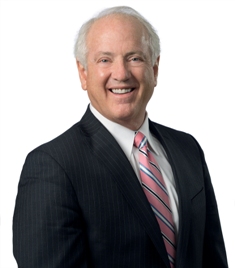
Barry M. Smith, Magellan Health CEOMagellan’s own Chairman and CEO, Barry M. Smith, was recently featured in Behavioral Healthcare Executive, talking about the importance of prioritizing behavioral health as a part of disaster recovery.

In the article, Barry discusses how delivering innovative access to behavioral health services is critical to enabling not only physical, but emotional renewal.

Read Barry’s complete article here.


Living in Recovery

Written by Thomas Lane, NCPS, CRPS

September is National Recovery Month, and during this time, we celebrate the fact that people living with mental health and substance use disorders can and do recover.  Recovery is real.  But what does it mean to recover?  It’s an important question, and there is no simple answer.  Each individual experiences recovery in unique ways.  As a person in recovery, here is what I believe we have in common.

Hope – We all need hope in our lives.  Hope is like a beacon, a light that shines in our lives and in the lives of others.  It is vital.  But there are times when we lose hope.  It’s in those times we need someone to hold the hope for us.  Hope doesn’t cost anything to give, yet it is priceless.

Self-determination – Self-determination is a fundamental value in our lives. For many of us, our choices have been limited due to the impact of our mental health or substance use disorders.  Some of us live with both.  There are times when conditions are imposed on us that are not consistent with our own goals and aspirations.  Self-determination is so important, because without it, we can feel hopeless and without control in our lives.  Decision support tools and opportunities to strengthen self-efficacy empower us to choose self-determined roles in communities of our choice.

Connectedness – We are interdependent.  Connections to others and meaningful relationships are human needs.  Without connections, we can feel isolated. Developing circles of support and being included strengthens our recovery.  We are part of our communities and cultures, not separate from them.

Health  – Many of us live with chronic health conditions.  In fact, the average life expectancy for a person living with a serious mental health condition is twenty five years shorter than the general population. Finding good health care professionals who support improvements in our health and conditions, beyond just symptom and illness management, helps us realize improved personal health outcomes.   We develop healthy living habits.  Good nutrition, exercise, restful sleep; we are intentional in our approach to live well.

Peer Support – To me, peer support is the bedrock for recovery.  When someone shares experiences we can relate to, experiences we may have in common, we discover we are not alone.  We discover others have made it through similar difficult times and overcome similar challenges.  We are encouraged.  We gain confidence.  We rediscover hope.  And we pay it forward.

As I think about this year’s National Recovery Month, I know from my own experience that recovery is not a straight path.  I know there may be setbacks and hurdles to overcome.  But I am absolutely convinced that recovery is real.  It happens when we have hope in our lives, when we have choices, and when we are connected to each other and our communities.   It happens when our health care needs are met and we work to become healthier.  For so many of us, peer support represents the beginning of our journey.  Let us celebrate each person’s pathway, honor each person’s journey, and welcome those who walk alongside us.