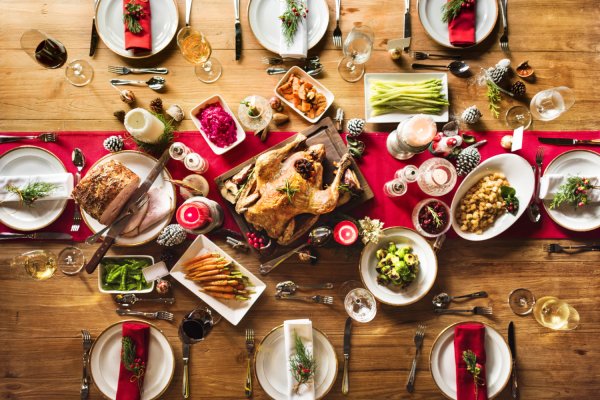


For Black, Indigenous and People of Color (BIPOC), self-care and nourishment aren’t just about healthy habits—they’re about restoration, resilience and reclaiming wellbeing in a world that often makes these things harder to access.
Research shows that BIPOC communities experience higher rates of diet-related illnesses like diabetes, obesity and
heart disease*—conditions that can increase chronic stress and affect mental health**.
Practicing self-care and making intentional nutrition choices can lower stress, uplift your spirit and strengthen your
mental wellbeing. Consider these tips.
- Breathe and be still: Deep breathing and meditation practices from various traditions can help reduce stress and restore balance.
- Move with joy: Dancing to music rooted in your culture—or others—can bring joy and celebrate self-expression.
- Seek affirming support: Supportive professionals who respect your identity and lived experiences can help you develop strategies to flourish.
- Explore nutrient-rich foods: Traditional greens and vegetables from various cultures contain nutrients that support positive mood, focus and energy.
- Honor culinary traditions: Cooking with familiar herbs and spices can connect you to your heritage and nourish your wellbeing.
When we honor our roots through self-care and nourishment, we restore balance and build resilience.
*SD Food Vision 2030
** Harvard Health B-BIF020E (/25)